


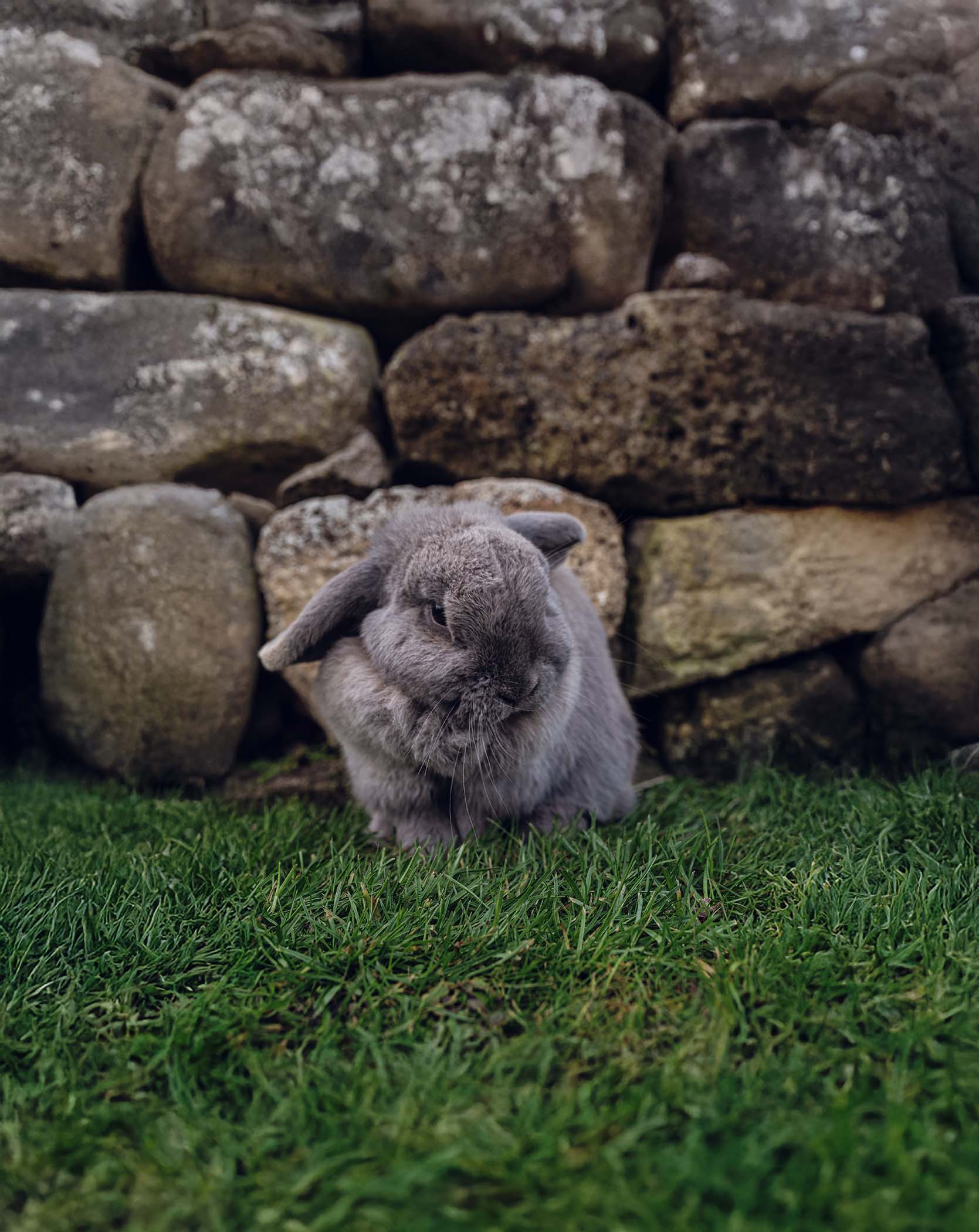
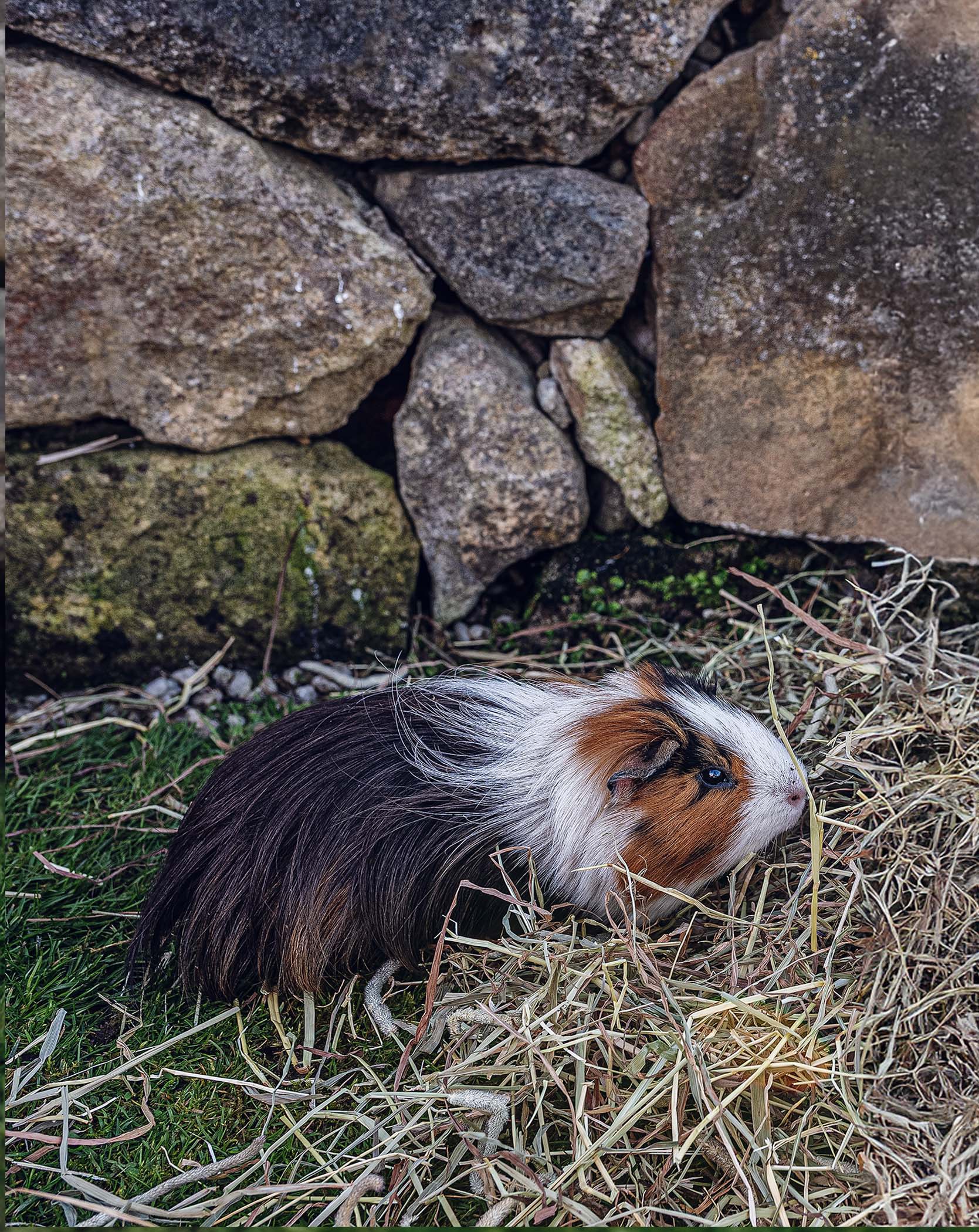
Rabbits are social animals and appreciate the company of other bunnies. So, it’s always good to get your bunny a buddy!
Good-natured animals
deserve great-natured feed
Sweet and sociable by nature, rabbits and guinea pigs are endearing additions to a household. Before bringing them home though, you need to know how to cater for their specific and varied diet. Grown, prepared and packed in New Zealand, Topflite crops provide premium nutrition and taste for your cuddly companions.
Jump to
the Range

It starts with hay, every day
80% of your rabbit or guinea pig’s diet should be fresh hay. A good rule
of thumb is to supply a serving that’s equal to their body size every day.
It’s important for their digestive system and also for wearing down their teeth.
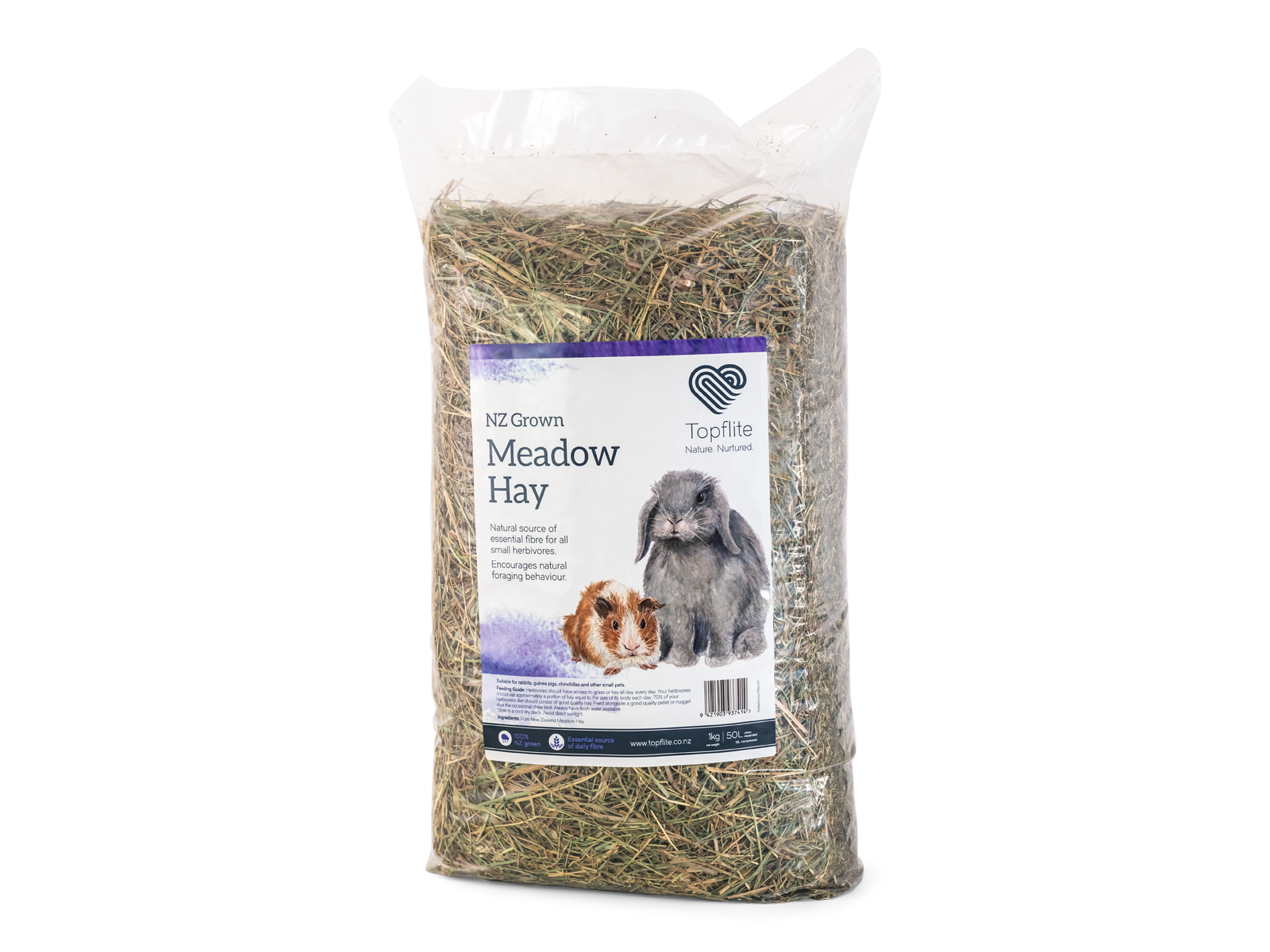
MEADOW HAY
Rich clover and nutritious grasses, our fragrant Meadow Hay is ideal for a wide range of animals.
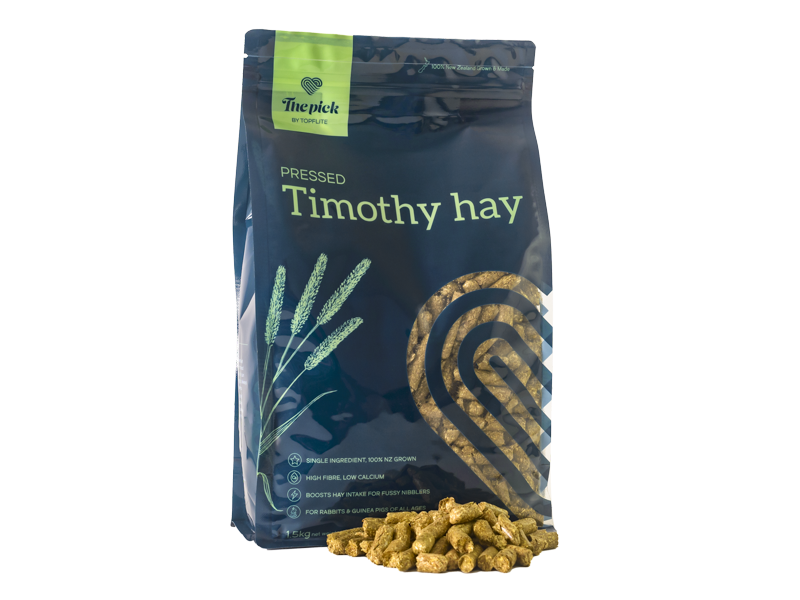
PRESSED TIMOTHY HAY
These unique pellets have one simple, nutritious and wholly delicious ingredient: Timothy hay.
Grown right here
in New Zealand
Hay makes up the bulk of a rabbit or guinea pig’s diet so it should be as nutritious as possible. For decades all Topflite hay has been grown in New Zealand. We grow, harvest and prepare our crops for a high-quality and natural end result.
What diet to feed?
Rabbits and guinea pigs are fibrevores, with unique digestive systems that enable them to digest cellulose from hay, grass, weeds and twigs to access nutrients.
It’s best to provide your companions with a diet that closely replicates what they would eat in the wild. Combine it with a habitat and lifestyle that promotes natural food-foraging behaviours, and you’ll have a thriving fibrevore in the family.

Our Premium Produce

When only the finest will do
Our Premium Produce range
The Pick is Topflite’s premium range for rabbits and guinea pigs. From treats to pressed hay and a complete fibre-first feed, we’ve turned 100% New Zealand-grown ingredients into exceptional wholefood nutrition for small fibrevores.
Feeding
Timothy Hay

- The sweet smell and taste encourages foraging
- High in fibre and easily digested
- Helps to keep teeth ground down
Lucerne Hay
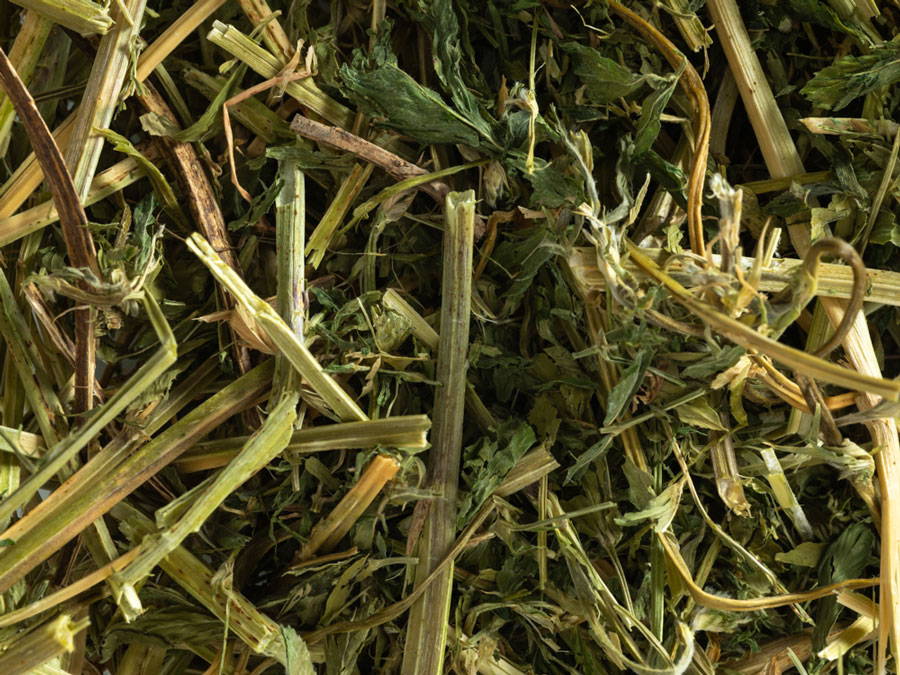
- A high fibre legume hay containing more digestible energy and calcium than grass hay
- The perfect choice for growing, breeding or underweight herbivores
- Good treat for mature herbivores
- Also known as ‘alfalfa’
Meadow Hay

- Made up of rich clover and nutritious grasses
- Fragrant and natural source of essential fibre for digestive health
- Helps to keep teeth ground down
Bedding
Bedding Straw
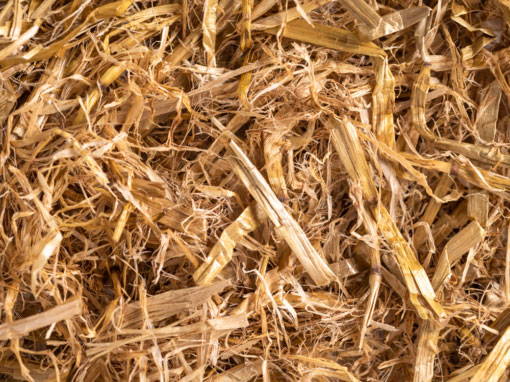
- Natural barley straw to keep small animals clean, dry and cosy
- Use generously, especially in the colder months
- Intended for use as bedding only
Pine Shavings
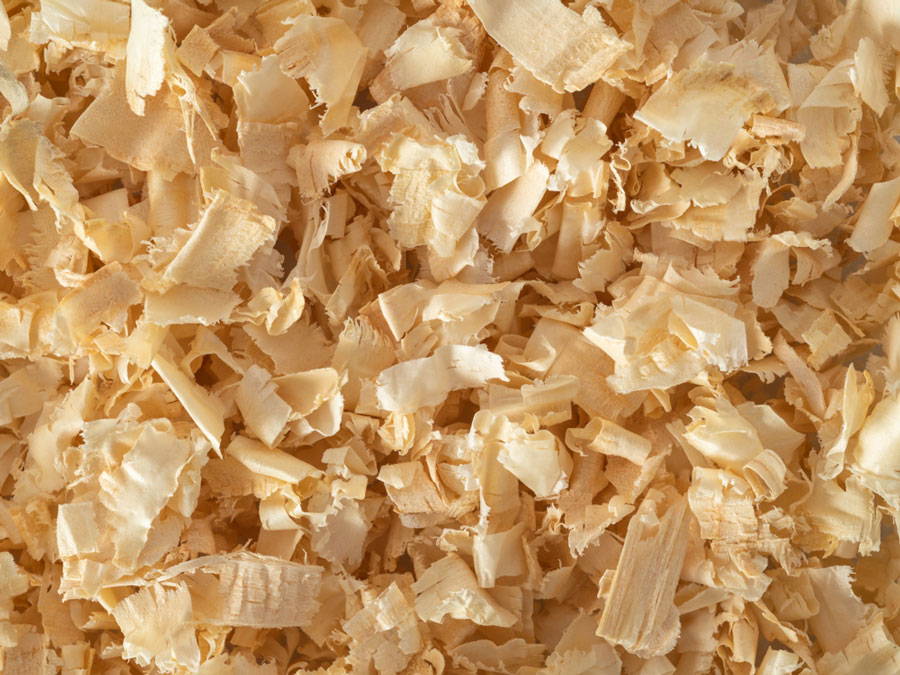
- Light and fluffy
- Absorbs and controls odours naturally
- No artificial colours or additives
- Kiln-dried and double-screened to eliminate dust
Frequently asked questions
Is it ok to just have one pet rabbit?
How long do rabbits live for?
Most rabbits have an average life span of 8 to 12 years. They are definitely not pets to get as an ‘impulse purchase’ – these animals will become beloved members of your family for years to come.
How often should a rabbit eat?
Your bunny should be nibbling on something every three hours. If they haven’t eaten for 12 hours you’ll need to seek expert medical advice.
Is Bugs Bunny’s diet of carrots accurate in real life?
Yes, rabbits do like carrots. However, rabbits in the wild do not naturally eat them and, as the carrots have a high sugar content, they should only be fed in very small doses as part of a treat. Perhaps try a Carrot Munchie or, for other treat ideas, Timothy Cakes or Bonanza Bars.
How big should a rabbit hutch be?
It does depend on the size and breed of the rabbit. The SPCA has this to say: “If rabbits live outside, their hutch should be a minimum size of 3m (length) x 1.5m (width) x 0.75m (height) but the bigger the better. The hutch should always be attached to a spacious run to allow your rabbit to hop, run, jump, and stand upright on their hind legs. Ideally, your backyard should be fully fenced, and your rabbits should also be allowed supervised play in the garden.” We think this is great advice to follow.
What makes Timothy Hay different from other hay?
Timothy Hay is low in protein, high in fibre and, with a high energy content, is easily digestible by rabbits and guinea pigs.
Why the odd name?
We’re not exactly sure where the name first came from, but it’s most likely that ‘Timothy Grass’ was named after American agriculturalist Timothy Hanson, who introduced the hay from New England to the southern states of the United States back in the early 18th century.
Should rabbits and guinea pigs be kept together?
It is not recommended that the two species be kept together. There’s the risk of disease being spread between them and often the larger species will bully the smaller one.
What is 'Alfalfa' hay and can I feed it to my rabbits or guinea pigs?
Alfalfa hay is another name for lucerne hay. It is a high energy legume hay and is ideal for young (up to 6 months), underweight, lactating or breeding herbivores. It is not suitable as the only feeding hay for mature herbivores because it's high in protein (about 17-18%). Feed as a supplement to mature herbivores to encourage foraging and fibre consumption.
How big should my guinea pig hutch be?
It should be as big as possible – at the very least 100cm long. You should also have a secure sleeping area attached to the run. If they are in an outdoor hutch, you’ll need to ensure there’s shelter from both wind and direct sunlight. And it’s best to bring them inside during the colder months of winter. Try and add some tunnels and hiding areas, with different textures to make things interesting for your pets. Most importantly, it’s vital the hutch can’t be easily gotten out of (or into). You’ll need to keep the hutch safe from predators and escape-proof!
How much bedding should I have in the bottom of my guinea pig hutch?
It is recommended that at least 3 cm to 5 cm of bedding straw or pine shavings is placed here.