

Somewhere high, and dry. Always hang a bird feeder out of harm’s way. Birds feel safe feeding high up off the ground as they are out of the reach of predators like cats, rats and stoats. When hanging a bird feeder from a tree, be sure to hang the feeder out on a limb rather than close to the trunk to discourage pests.
Hey, you spotted a bird!
The Spot the birdie competition has now flown the nest and officially finished! Thanks to everyone who searched for our feathered friends in-store and entered the competition.
5 prize packs have been won!
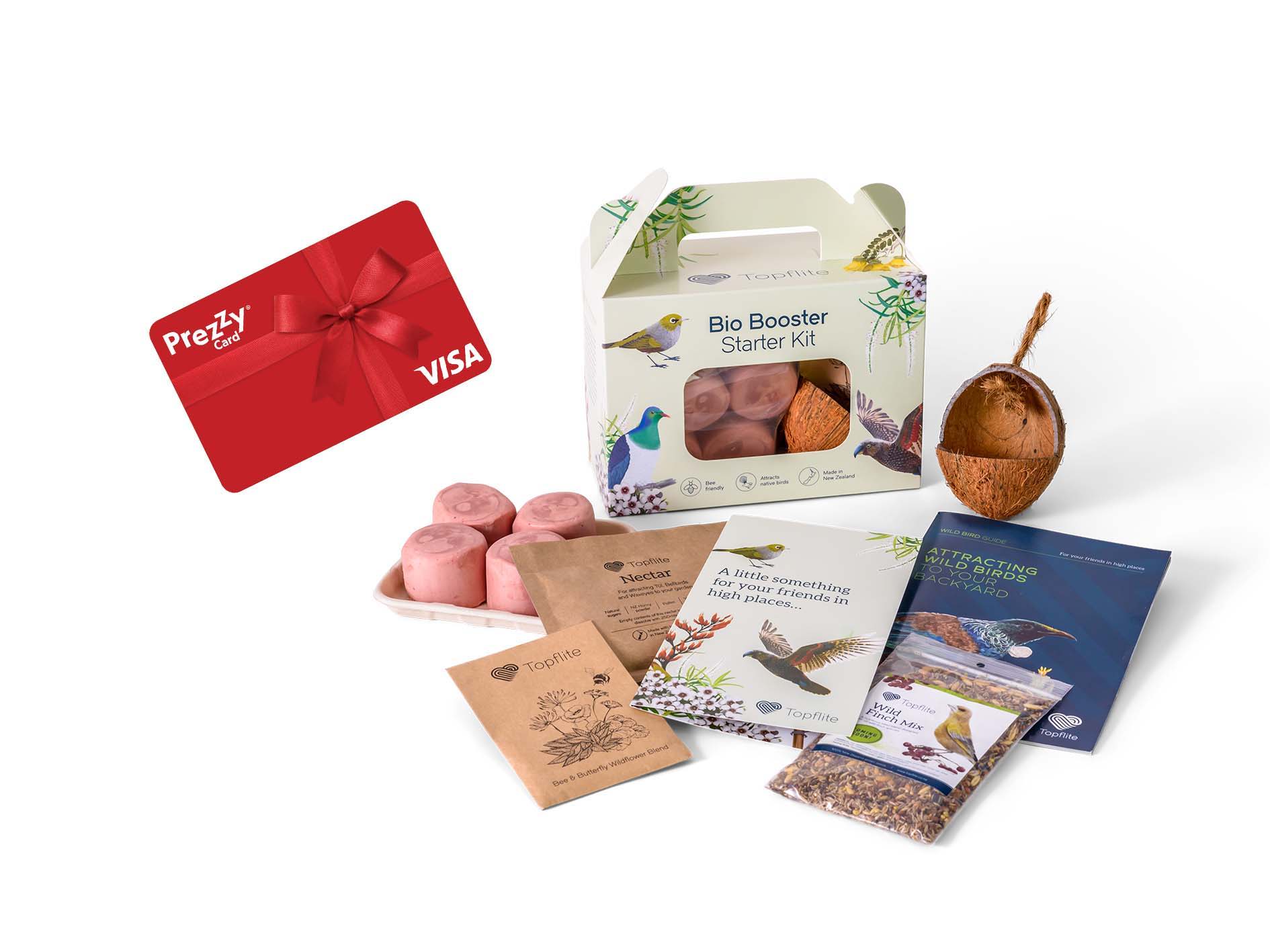
Bio Booster prize packs, including:
1 x Bio Booster Starter Pack
1 x $150 Prezzy Card
We drew one winner each month from April to August 2026.
Our lucky winners:
April: Jessica - Mitre 10 Beachlands
May: Sona - Pet Shop Boys Glen Eden
June: Josh - Mitre 10 Manukau
July: Yashar - Mitre 10 Ashburton
August: Lydia - CareVets Rototuna
Have you met these native birds?
These six beauties are the most likely native birds to be spotted in New Zealand gardens. How well do you know them?

Famous for its clumsy antics, this chonky native pigeon has a huge appetite, and an even bigger role in our forests.
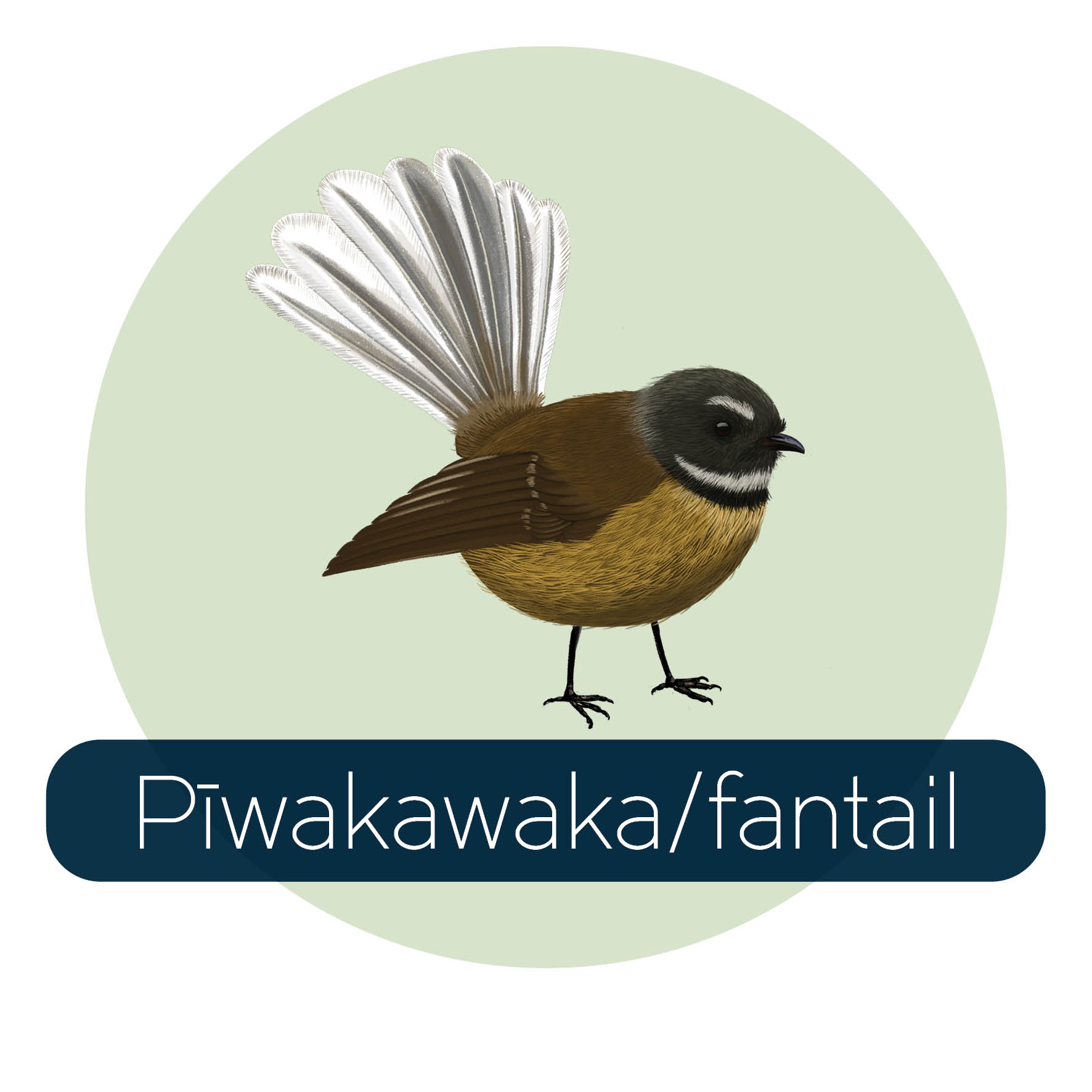
Don’t let the cuteness fool you. This little flitter is an expert, highly strategic hunter. It also goes by 19 known names in reo Māori!
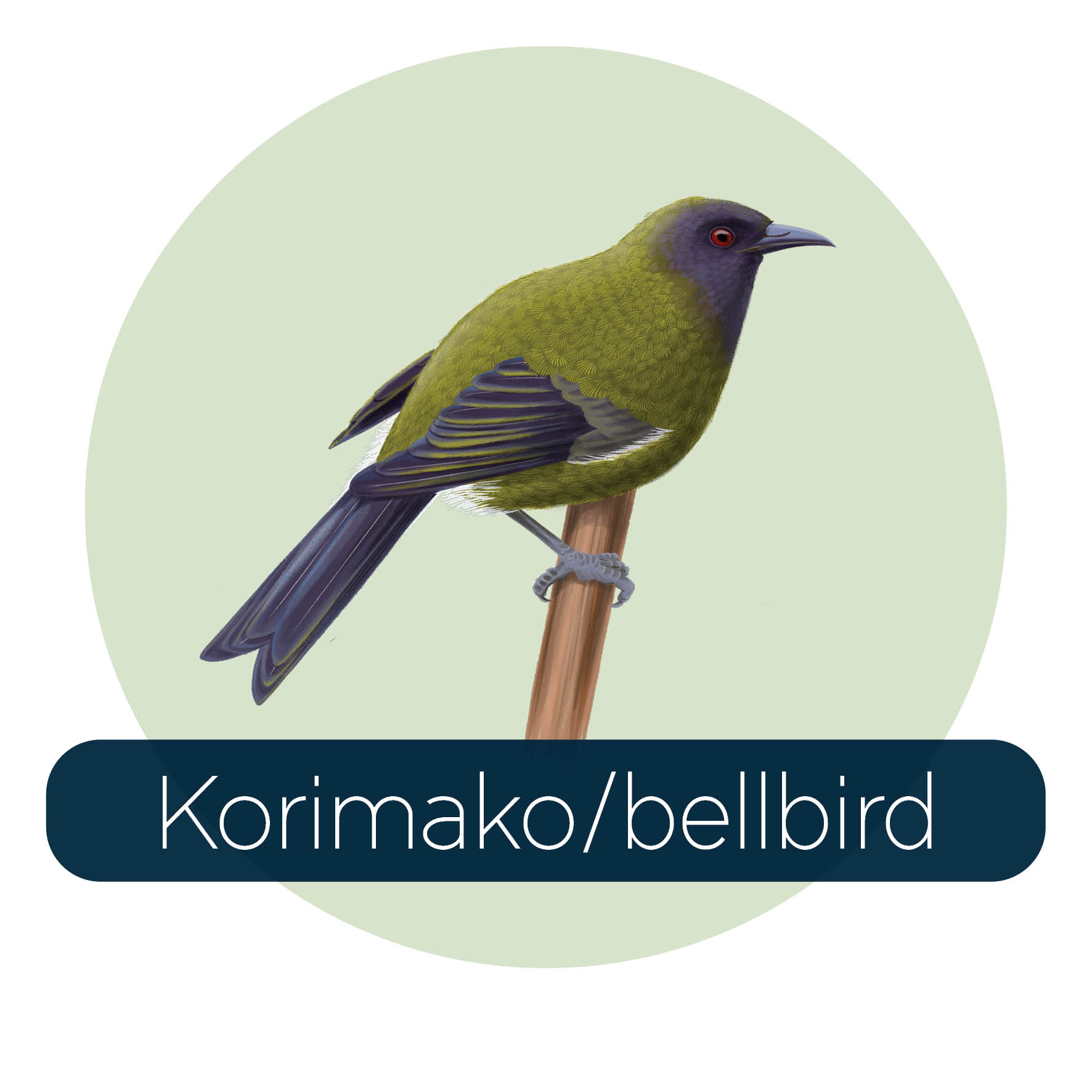
Often found in urban areas, especially where there’s established trees nearby, the bellbird’s song is a real head-turner.
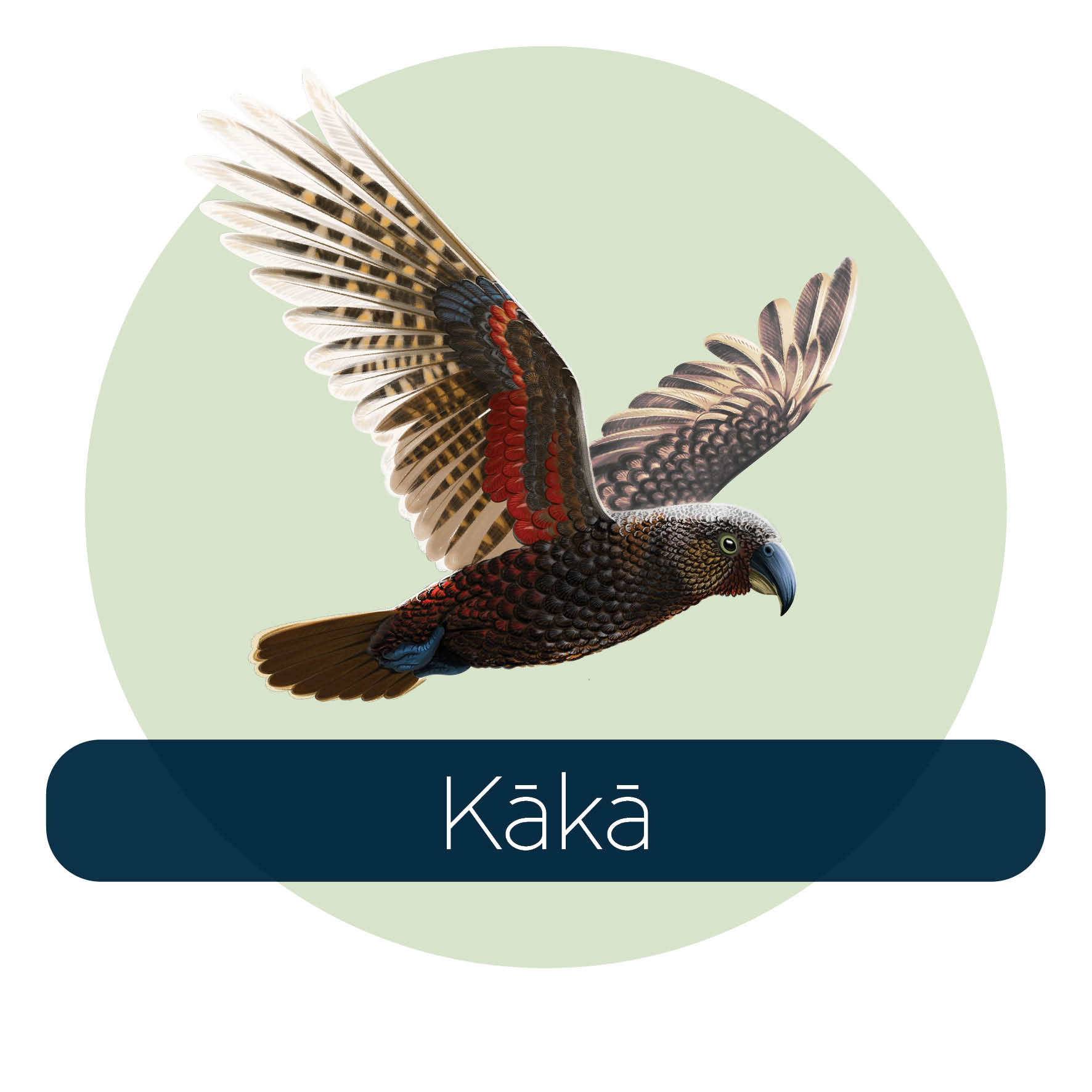
Their raucous “ka-aa” and grating “kraak” calls have earned kākā a reputation as the local loudmouth, wherever they are present.
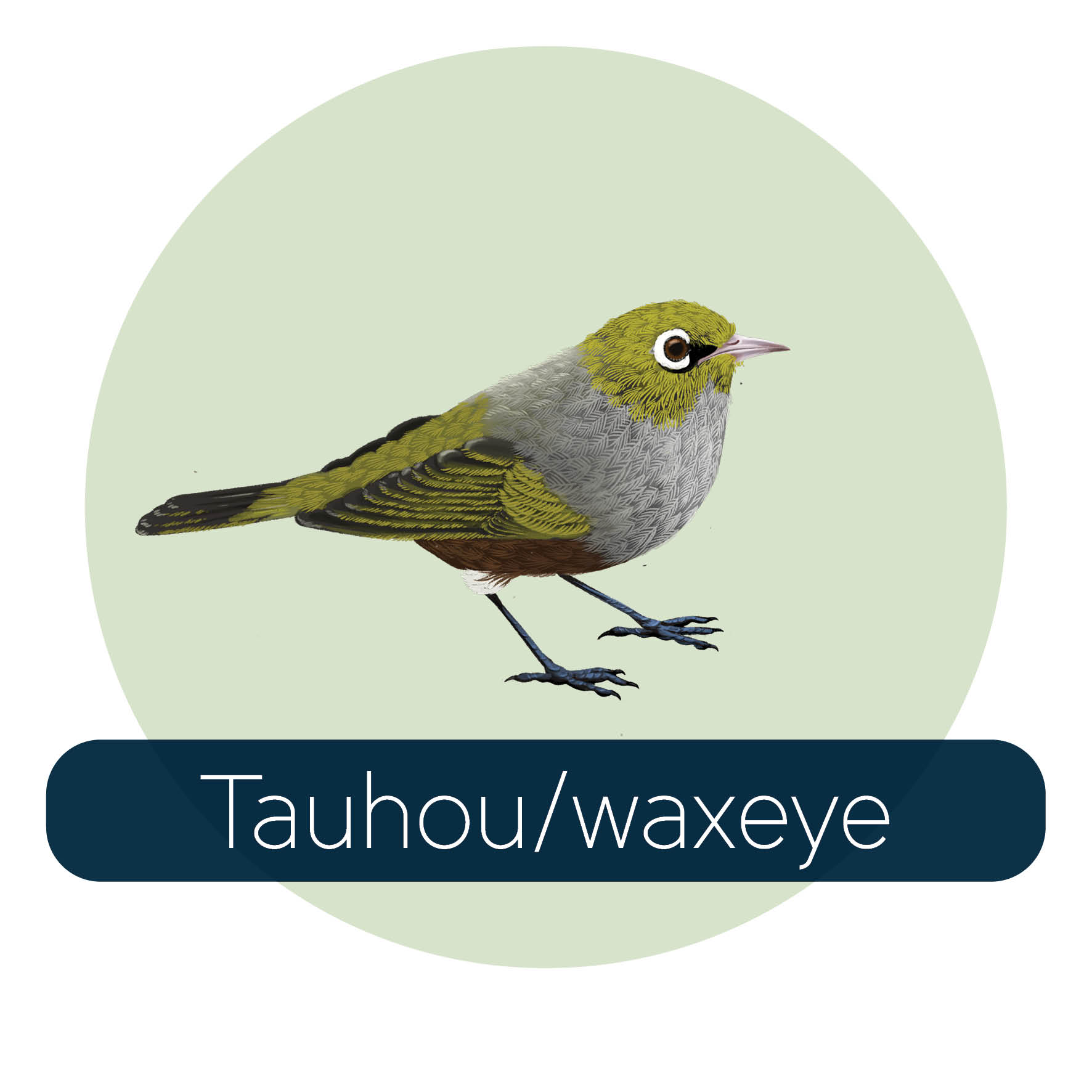
These little busybodies are a common garden visitor in winter. Often mistaken as a native, the tauhou actually hails from across the ditch!
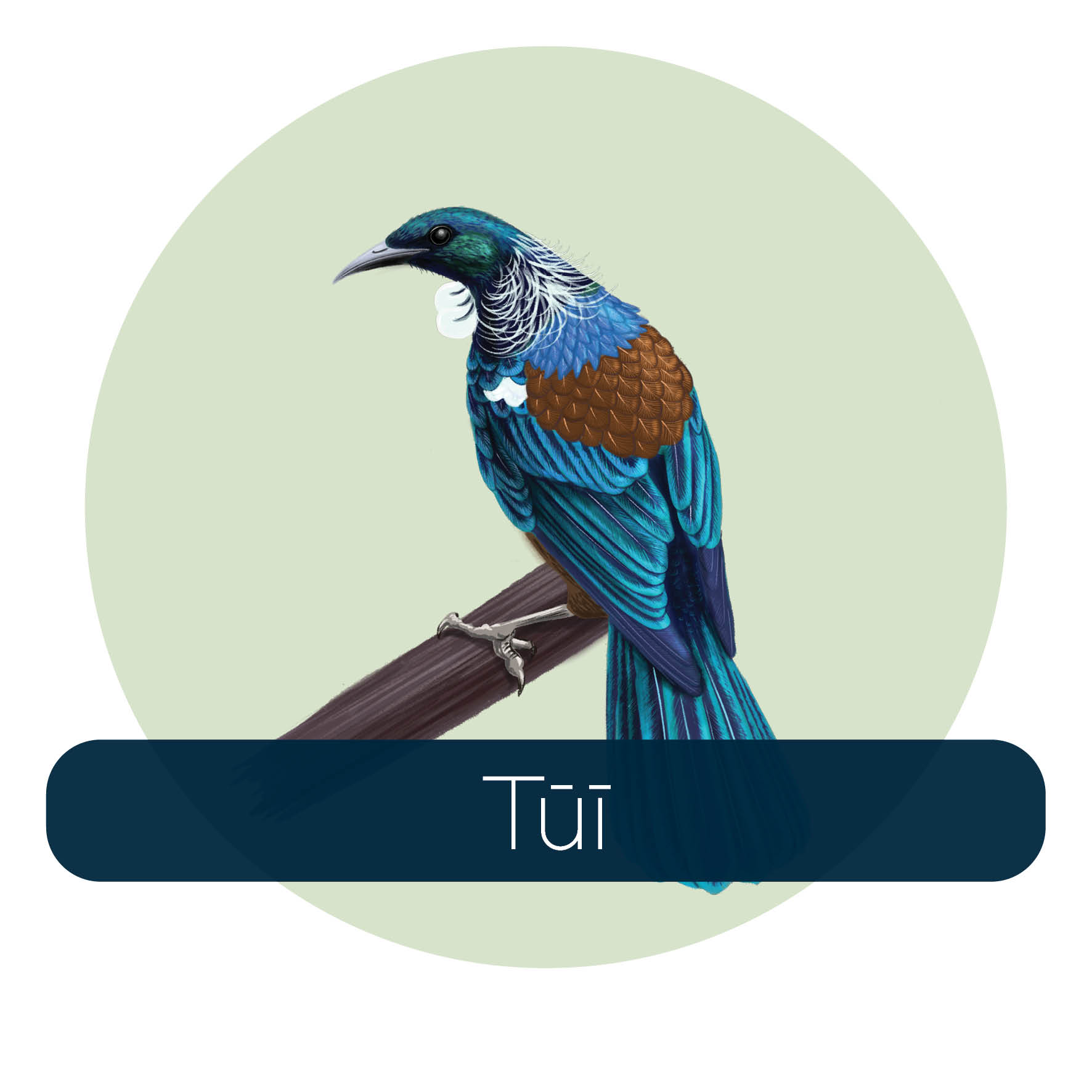
Easily identified by its iconic white poi and blue-black feathers, the tūī is one of the most likely native species to visit a Nectar Feeder.
Top tips for embracing your better nature
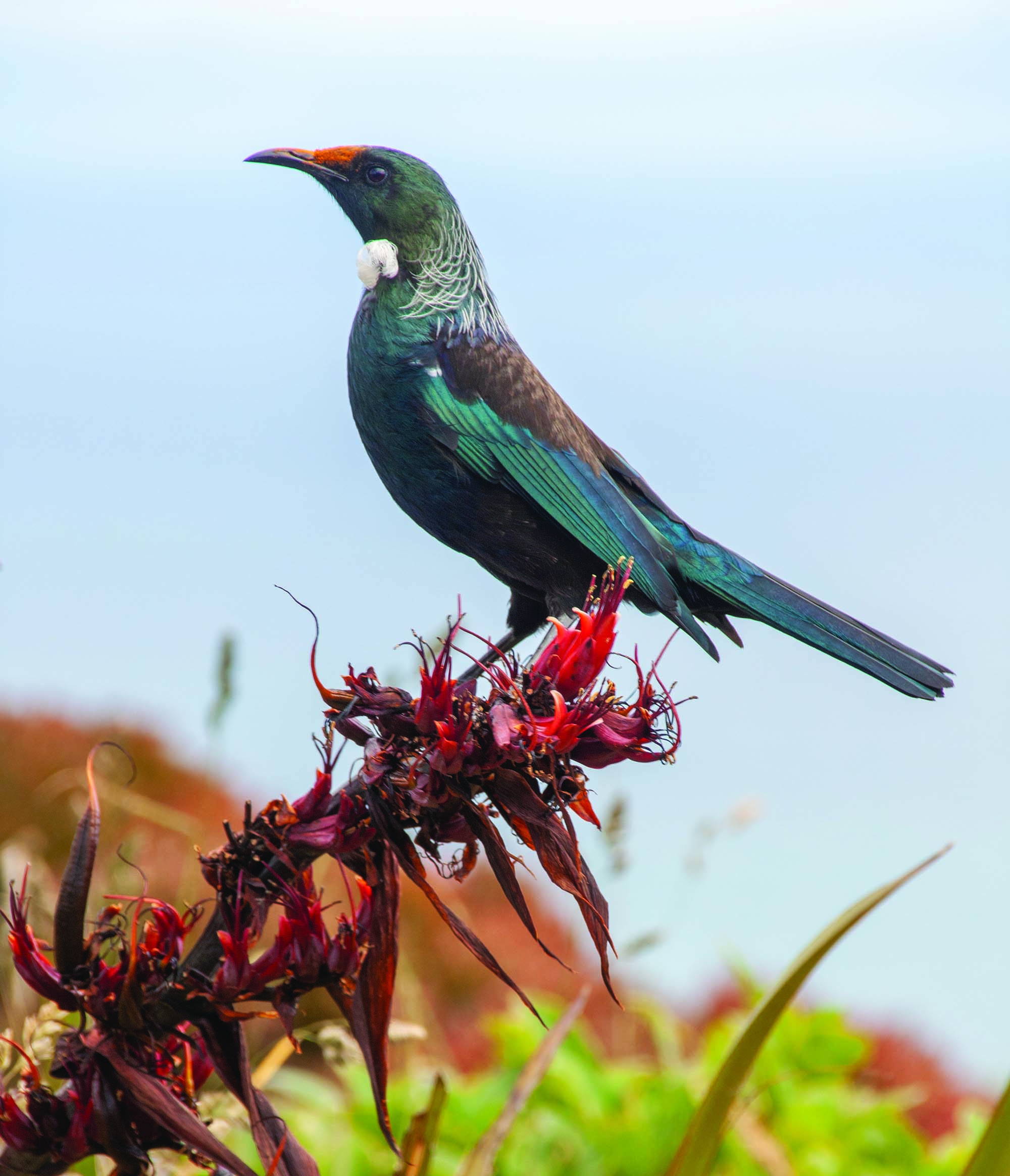
Plant properly
Native birds have evolved to feed on native plants and are primed to seek out berries, nectar, foliage and nearby insects. So, to support native birds locally, plant native shrubs as long-term food sources. Here’s a list of the best ones, or easy instructions for growing your own from seed.
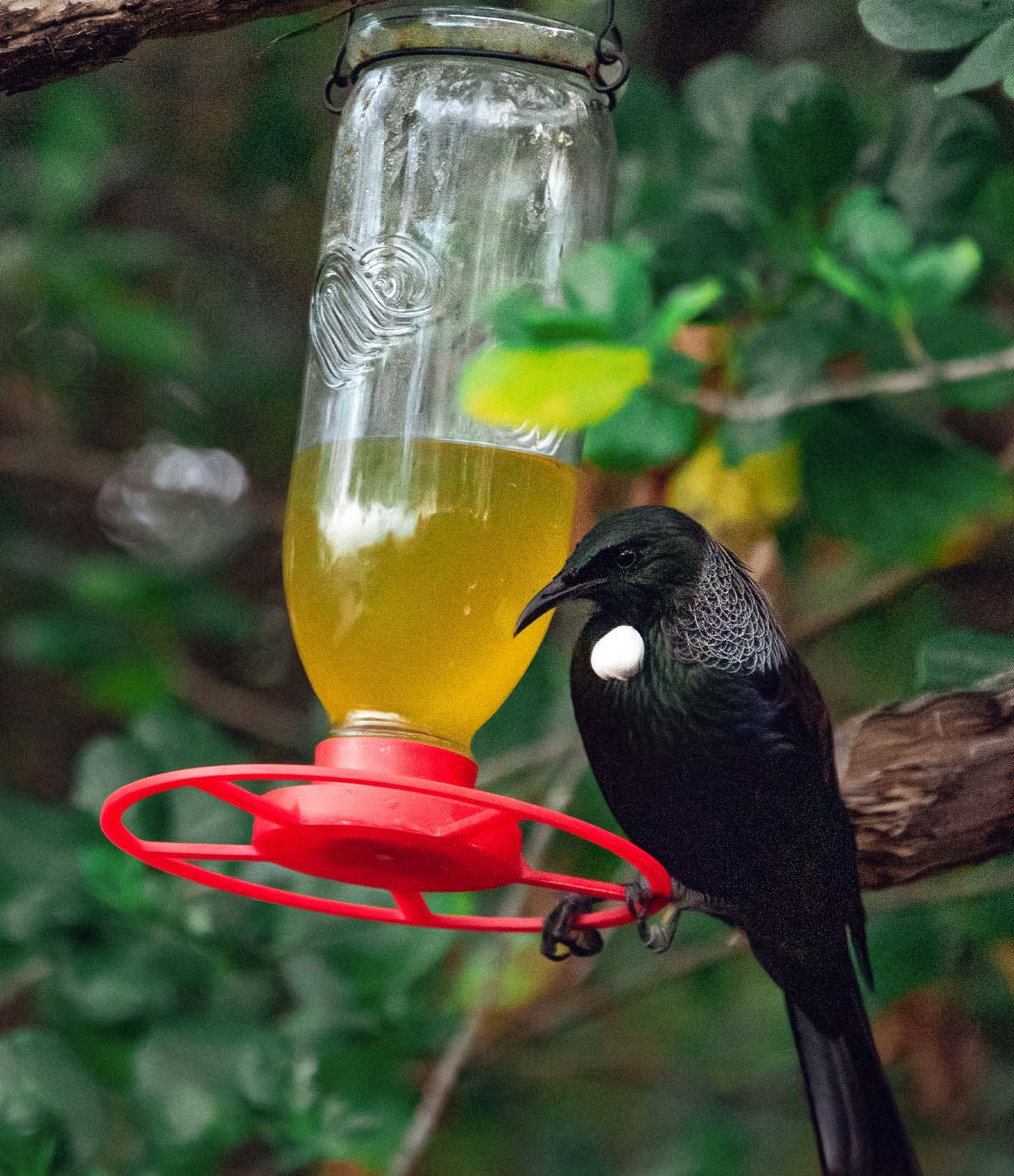
Feed their flight
There are a number of ways to attract and support birdlife at your place – click here for an in-depth guide on who might be flying in (and how best to care for them). Remember, not all birds eat the same thing. For dietary insight, take a peek at the shape of their beak. Be sure to keep all bird feeders clean too!
Build biodiversity
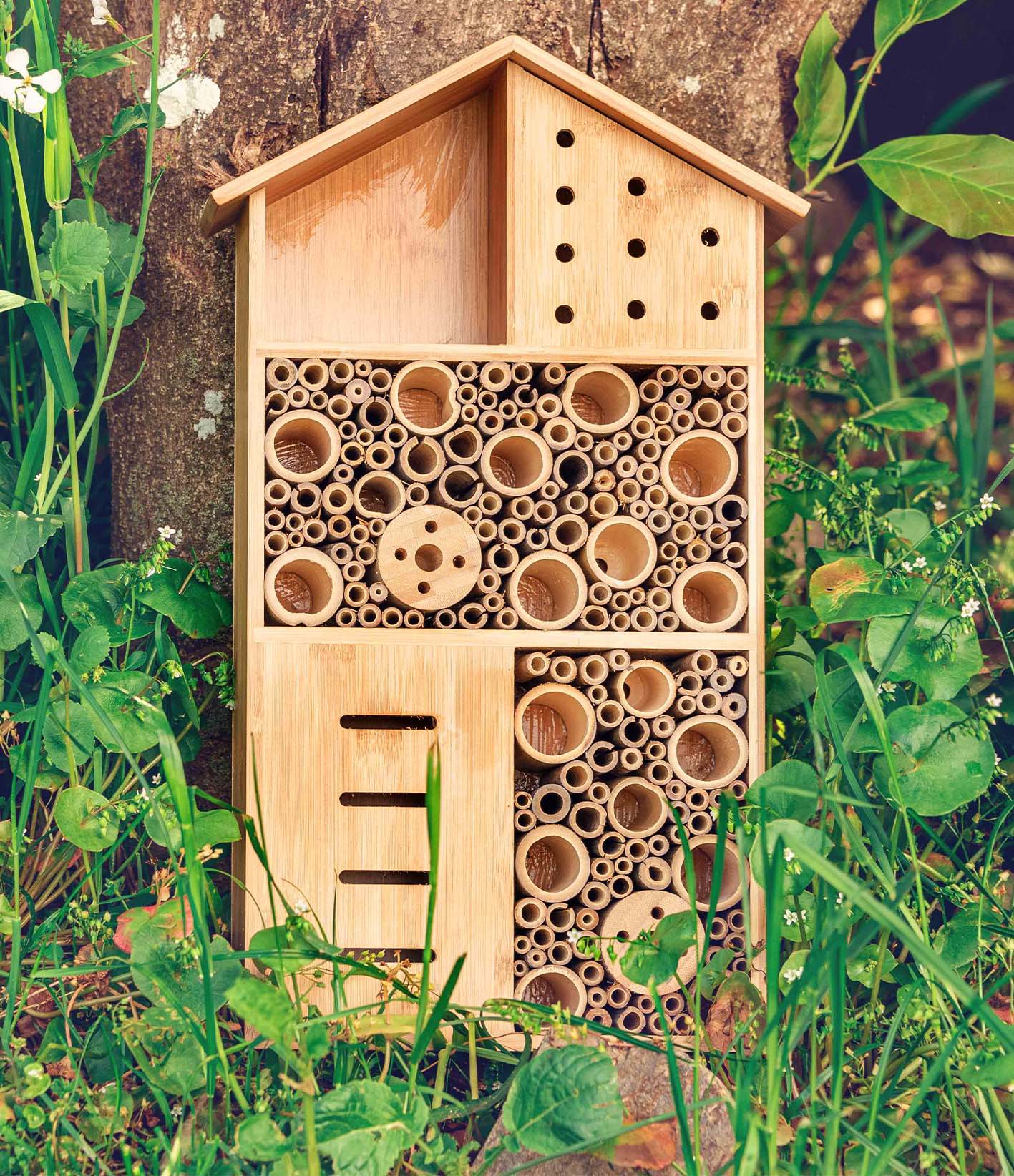
From seed bombs to chaos gardening, creating a biodiverse garden sure can be exciting. Leaf litter can help, and our Bug, Bee and Butterfly Houses will attract the pollinators for flowers (and snacks for birds). Creating a diverse and thriving garden will bring all kinds of visitors to your backyard.

Find friends
There’s plenty of good eggs out there! You can find them at planting days in Canterbury, Queenstown, Waiheke, and plenty of other spots. Or doing good work in one of the many NZ environmental groups (who often rely on volunteer support). Go beyond your backyard and become a true champion of nature.
Frequently asked questions
Where should I hang my bird feeder?
Ok, I’ve got the feeder up and the birds are ignoring it. What’s going on?
Patience, grasshopper. It may take a few days for birds to discover your feeder. Once they do you’re sure to see a flurry of feathery activity.
How else can I attract birds to my garden?
Planting native trees is the best way to provide long-term food sources for native birds . Tūi and bellbirds love flax or kōwhai and native jasmine. Koromiko and other hebe species will bring insects which in turn attract birds like the pīwakawaka and grey warbler. See a more detailed rundown here.
How do I clean a bird feeder?
First, chuck out any leftover bird food. Take the bird feeder apart and soak well in warm water to remove debris. Scrub thoroughly using a squirt of gentle dishwashing liquid. Leave it to dry completely before refilling with your local flyers’ favourite NZ-made bird feed. Tweeeet as!
How often should I clean my feeder?
Bird feeders should be cleaned regularly — ideally every couple of days. Garden birds have terrible table manners so clear away droppings and uneaten food. Dirty leftovers can clog up a feeder as well as transmit diseases to birds in the area.
Is it good to feed garden birds?
If you feed them right (and wash that feeder) then there is no harm in providing sustenance to garden birds, especially in winter when food is scarce. A fed bird is more likely to breed, so keeping a feeder in your garden, along with planting native shrubbery and trees, lends a helping hand to our native manu.
I don’t have anywhere to hang a bird feeder. What can I do?
Don’t worry – if you get a waratah (Y-post) you can use our Peka Peka feeder. This great invention works as a stand-alone feeding platform, helping native birds eat and drink free from the threat of predators. There's also the Feeder Fix (great for balconies!) and The Hangout or The Penthouse for attracting birds to tree-free spaces.
Should I feed bread to garden birds?
No! Bread is high in calories and low in… well, anything good at all for a bird’s diet. Native birds feed on nectar, fruit, insects or foliage, and introduced birds species need nutritious seed and vitamin-rich fruit as well as essential fats and protein. Save the bread for cheese rolls or croutons instead!
What should I feed native birds?
Our native feathered friends turn their beaks up at seed but will flock for nectar, fruit and Energy Food. This isn’t snobbery but merely a matter of biology – tūī and bellbirds, for example, have a curved, narrow beak and a long tongue for sipping nectar from inside flowers. Smaller birds like the pīwakawaka and grey warbler are usually on the hunt for insects.
Should I feed garden birds all year round?
The times when birds are most in need of an extra feed are autumn, winter and early spring. That's when natural food sources can be limited. Feed fruit, nectar, Wild Bird Seed Mix and fat-rich Energy Food to give birds the energy required for winter survival and a successful breeding season in spring.
How about feeding ducks and other poultry?
We’re so glad you asked – we also make Lucky Duck, New Zealand’s only specifically formulated feed.for ducks. Aviary birds and chickens are well looked after too. We’ve got your all your bird feed requirements covered with quality New Zealand made recipes.